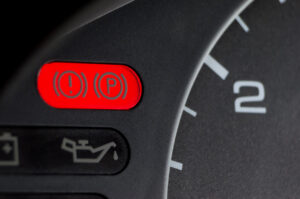
Usually, something lighting up like a Christmas tree would be seen as a net positive.
Festive, aesthetically pleasing, emotive, so on and so forth.
Not when it’s your car dashboard.
After enduring the twinkling lights for longer than is likely advisable, I decided enough was enough, and dropped my car off at the local garage for some diagnostic tests, and – hopefully – to get everything reset.
I’ve been going to the same garage for over six years, and this year they’ve gone all digital, which meant I received an email to ‘check in online’; a definite step up from just rocking up, speaking to the service person and trying to remember exactly what the problems are.
I dutifully filled in the form a few days before my appointment, then turned up at 8am on the day I’d booked (still needing another coffee) and reported to the service desk.
They printed me out a sheet to scan and sign, which listed all the things they were going to check.
Except it didn’t.
Because NONE of the details I’d diligently entered during the ‘online check-in’ were displayed.
The service bod read out what was on the paper, to which I pointed out, somewhat rattily, I will admit, that there was more to look at, and I’d submitted all the relevant details when I checked in.
“Oh, we don’t have access to that form; the two systems don’t talk to each other”.
Excuse me? So what exactly was the point of my filling it in?
Cue me trying to remember what I’d put in the form a few days previously (the more mature will appreciate the Herculean task this was for my brain!).
This is a classic example of a system that was supposed to save time, but did anything but. It sounds extreme, but all too often organisations are doing similar, and crucially, not considering what the customer actually experiences.
How seamless and slippery are your systems?
The less friction there is, the more pleasant the experience, the more goodwill you build, and the better your chances of repeat purchases, referrals and upsells.
Time for another coffee…